
Stable Micro Systems logo
Request a quote
  • Texture analysis
    • Texture Analysers
    • TA.XTplusC
    • TA.XTplus100C
    • TA.HDplusC
    • TA.XTExpressC
    • Compare Texture Analysers
    • Texture Analyser Buying Guide: 7 questions you need to ask
    • Software
    • Upgrades
    • Learn
    • Why measure texture?
    • How a Texture Analyser works
    • A beginner’s guide
    • What is food texture?
    • Texture Profile Analysis (TPA)
    • Texture analysis properties
    • Application areas
    • Speed up your testing
    • Case Studies
    • Attachments and accessories
    • Probes
    • Attachments
    • Acoustic Envelope Detector
    • Video Capture and Synchronisation System
    • Automated Linear Indexing System
    • Temperature Control
    • Dough Inflation System
    • Dynamic Integrated Balance
    • Penetrometer
    • IDDSI System
    • Egg Quality Testing System
    • Accessories
    • Custom design service
    • Test types
    • Puncture and penetration
    • Compression
    • Cutting and shearing
    • Extrusion
    • Bend and flexure
    • Tension
    • Adhesion
    • Other test types
    • Applications
    • Food
      • Alternative proteins
      • Bakery
      • Cereals
      • Confectionery
      • Dairy
      • Gels and films
      • Fish
      • Fruit and vegetables
      • Meat
      • Pasta and noodles
      • Snacks
      • Petfood and animal feed
      • Powder and granules
    • Future and novel foods
      • 3D printed foods
      • Cell cultured foods
      • Foods containing CBD
      • Foods containing insects
      • Upcycled food
      • Vertically farmed foods
    • Reformulated foods
      • Free-from foods
      • Fortified foods
      • Low-in foods
      • Foods for dysphagia (IDDSI)
    • Materials and products
      • Adhesives
      • Electronics
      • Packaging
      • Gels and films
      • Innovative materials
      • Leather and textiles
      • Paper and cardboard
      • Polymers
      • Powder and granules
    • Pharmaceutical and medical
      • Dental
      • Medical devices
      • Pharmaceutical and medical
      • Pharmaceutical packaging
    • Cosmetics and personal care
      • Cosmetics and skincare
      • Personal care products
      • Hair and haircare products
    • Powders and granules
    • View all
  • Materials testing
    • Materials Testers
    • TA.HDplusC
    • TA.XTplus100C
    • Compare Materials Testers
    • Upgrades
    • Learn
    • What is materials testing?
    • Force testing
    • Materials testing properties
    • Application areas
    • Software
    • Case Studies
    • Attachments and accessories
    • Probes
    • Attachments
    • Acoustic Envelope Detector
    • Video Capture and Synchronisation System
    • Automated Linear Indexing System
    • Temperature Control
    • Dynamic Integrated Balance
    • Penetrometer
    • Resistance Conversion Unit
    • Accessories
    • Custom design service
    • Test types
    • Puncture and penetration
    • Compression
    • Cutting and shearing
    • Extrusion
    • Bend and flexure
    • Tension
    • Adhesion
    • Other test types
    • Applications
    • Materials and products
      • Adhesives
      • Electronics
      • Packaging
      • Gels and films
      • Innovative materials
      • Leather and textiles
      • Paper and cardboard
      • Polymers
      • Powder and granules
    • Pharmaceutical and medical
      • Dental
      • Medical devices
      • Pharmaceutical and medical
      • Pharmaceutical packaging
    • Cosmetics and personal care
      • Cosmetics and skincare
      • Personal care products
      • Hair and hair products
    • View all
  • Volume and density
    • Volscan Profiler
    • Volscan Profiler instrument
    • How the Volscan Profiler works
    • Measuring volume and density
    • Software
    • Technical specification
    • Accessories
    • Case Studies
    • Applications
    • Bakery
    • Eggs
    • Other foods
    • Materials
    • Hair
    • Ceramscan
    • Ceramscan instrument
    • How the Ceramscan works
    • Measuring ceramic density
    • Ceramic and advanced material tests
    • Software
    • Technical specification
    • Ceramscan Validation
  • Powder flow
    • Products
    • Powder Flow Analyser
    • TA.XTplusC Texture Analyser
    • Learn
    • How the Powder Flow Analyser Works
    • Why measure powder flow?
    • Typical powder flow problems
    • Vessel material options
    • Software
    • Technical specification
    • Powder examples
    • Powder flow instrument comparison
    • Case studies
    • Test types
    • What problem, what test?
    • Cohesion
    • Cohesion at 4 speeds
    • Caking
    • Powder Flow Speed Dependence
    • Compressibility
    • Consolidation and caking
    • Complementary powder tests
    • Understanding your powder flow test results
    • Applications
    • Food ingredients and blends
    • Pharmaceuticals / nutraceuticals
    • Cosmetics and personal care
    • Agriculture
    • Chemicals, additives and industrial
    • Batteries and advanced materials
    • 3D printing
  • Applications
    • Food
    • Alternative proteins
    • Bakery
    • Cereals
    • Confectionery
    • Dairy
    • Gels and films
    • Fish
    • Fruit and vegetables
    • Meat
    • Pasta and noodles
    • Snacks
    • Petfood and animal feed
    • Powder and granules
    • Future and novel foods
    • 3D printed foods
    • Cell cultured foods
    • Foods containing CBD
    • Foods containing insects
    • Upcycled food
    • Vertically farmed foods
    • Reformulated foods
    • Free-from foods
    • Fortified foods
    • Low-in foods
    • Foods for dysphagia (IDDSI)
    • Materials and products
    • Adhesives
    • Electronics
    • Packaging
    • Gels and films
    • Innovative materials
    • Leather and textiles
    • Paper and cardboard
    • Polymers
    • Powder and granules
    • Pharmaceutical and medical
    • Dental
    • Medical devices
    • Pharmaceutical and medical
    • Pharmaceutical packaging
    • Cosmetics and personal care
    • Cosmetics and skincare
    • Personal care products
    • Hair and haircare products
  • Discover
    • Resources
    • Blog
    • Request a brochure
    • Request an article
    • Published references
    • Recommended literature
    • YouTube channel
    • Subscribe to our newsletter
    • FAQs
    • Case studies
    • Food
    • Materials
    • Pharmaceutical and medical
    • Cosmetics, skincare and haircare
    • Volume and density
    • Powder flow
    • About us
    • Company profile
    • Why we are world leaders
    • Careers
    • News
  • Support
    • General
    • Software updates
    • Register a product
    • FAQs
    • Correct use of TPA
    • Glossary
    • User support
    • Technical support form
    • Test advice service
    • Macro writing service
    • Get a new manual
    • Education Zone
    • Tips for Exponent Connect users
    • Training courses
    • Contact your local distributor
    • Product maintenance
    • Calibration
    • Upgrade your instrument
    • UK maintenance plan
    • Latest news
    • Products
    • Research
    • Patents
    • Texture
    • Subscribe to our newsletter
  • Contact
    • Contact details
    • Find a distributor
    • Request a demonstration
    • Request a quote
    • Events and seminars
  • Login
    • Customers
    • Distributors
Request a quote

New Hair Suppleness Rig

Claims of softness and suppleness are easy to make – harder to prove. Our new Hair Suppleness Rig objectively measures how freely hair moves, just like fingers through a tress.
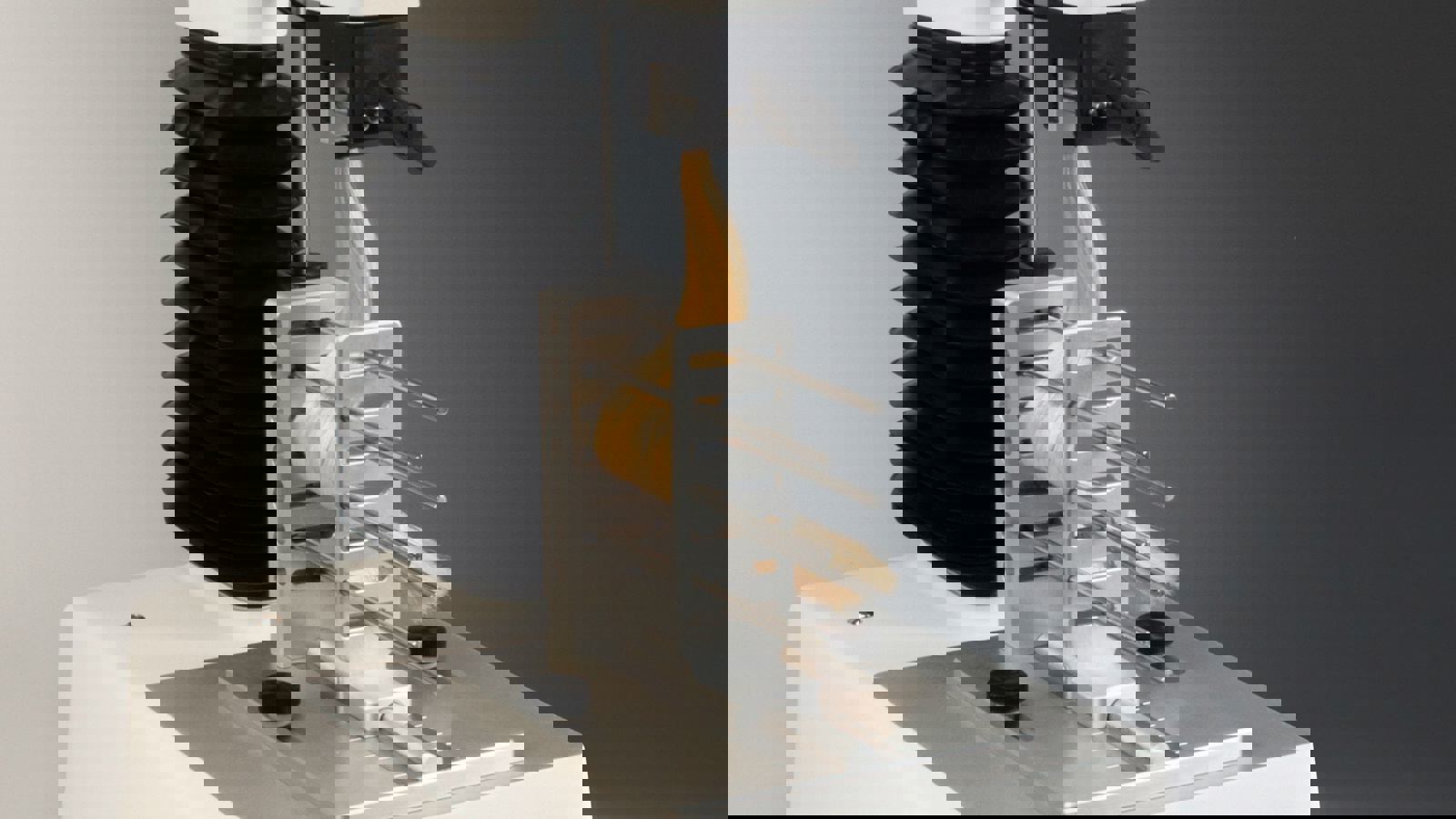
Hair Suppleness Rig attached to Texture Analyser

The cosmetics industry frequently promises softer, suppler hair after the use of their products, or promises that certain traditionally harmful methods (such as bleaching) will have no adverse effect. The difficulty comes in testing these properties in an imitative, repeatable way. The Hair Suppleness Rig allows the measurement of the resistance of a hair sample to being run through a set of smooth bars, representative of running fingers through the hair on a human head.

Some changes to the physical properties of hair are intentional (the addition of conditioners or serum for added smoothness), whereas some are unintentional (bleaching, which induces brittleness and stiffness). No matter the property in question, the quantification of hair properties is important to the development of new hair products and treatments. Sensory panels are useful, as hair is a product with a complex pattern of properties and variables, so it is a challenge to measure its properties exactly as a consumer might feel them when they are styling their hair, or what they take to mean ‘softness to the touch’. However, instrumental testing is much faster to perform, and the results of an instrumental test do not rely on the operator, unlike those of a sensory test, no matter how thorough sensory training has been. Consequently, instrumental quantification of hair properties should be a standard part of any hair testing routine.

Assessments of hair such as tensile testing and three-point bend testing are useful for keeping a record of more fundamental properties, but imitative tests such as the measurement of combing force, volume and body measurement via laser profiling, and this suppleness test are useful for representing hair in the way in which it is felt and used in reality.

The force detected by the Load Cell when a hair sample is pulled through this rig is made up of several factors:

  1. The stiffness of the hair fibres (as they have to constantly bend on their way up through the rods).
  2. The friction between hair strands (as they rub against each other constantly when the tress is being pulled upward).
  3. The friction between the hair strands and the rig (as they are pulled against the surface of the rig itself).

An alteration to any of these factors will have an effect on the measured force. A higher force represents a higher resistance to motion through the rods of the rig. A suppler hair sample will have a lower resistance to motion, and in turn, suppler hair on a person’s head feels flexible and smooth when fingers are run through it.

This is similar to subjecting a sample to a three-point bend test, but the bending configuration is slid along the length of the tress- i.e., continuous three-point bending. Bending tests can be challenging to set up in a reproducible way, particularly for suppler samples that cannot support their own weight without drooping, so this test is a simpler alternative that can be directly related to the consumer’s perception of their own hair texture.

MORE INFORMATION

Watch our video about texture measurement of cosmetics and skincare products

Watch our video about texture measurement of cosmetics and skincare products

Request an article about measuring hair and haircare products

Request an article about measuring hair and haircare products

Learn more about testing hair and haircare products

Learn more about testing hair and haircare products

Learn more about us

Subscribe to our newsletter
Why we are world leaders
Read our blog
Home
  • Contact
  • Send us an enquiry
  • Request a quote
  • Request a demonstration
  • Find a distributor
Head office

+44 (0) 1483 427345
Vienna Court, Lammas Road
Godalming, Surrey, GU7 1YL
United Kingdom

Subscribe to our newsletter
  • LinkedIn
  • YouTube
  • X (formerly Twitter)
  • Facebook
Copyright © 2026 Stable Micro Systems. All rights reserved. Privacy and cookie policy Sitemap